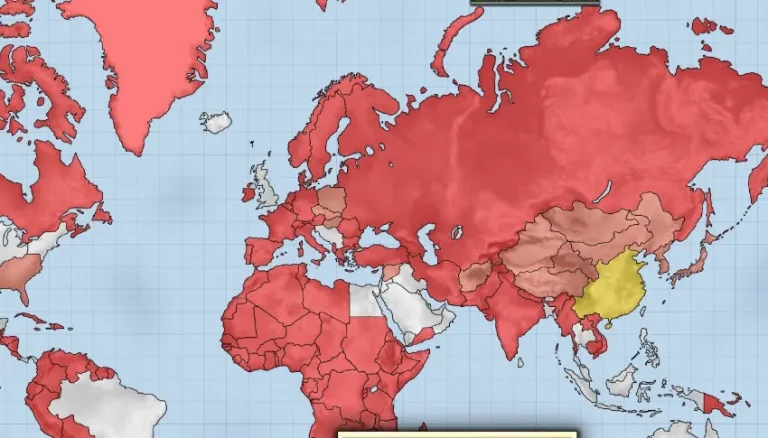

This complete guide will help you choose your character in Crisis in the Kremlin The Cold War, explain how modifiers work, and provide you with many details about vital systems.
Table of Contents
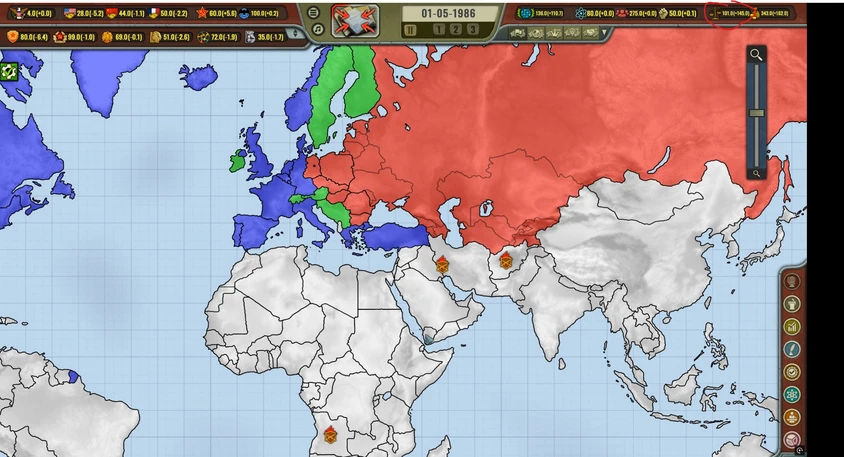
Crisis in the Kremlin The Cold War Guide
If you’re diving into the Crisis in the Kremlin:Cold War, it’s crucial to learn the game’s complex systems from scratch. This comprehensive guide covers everything new players need to know, from character selection to advanced decision-making processes. Maximum search visibility and player engagement will ensure you’re well-prepared to navigate the political minefield of the Soviet regime’s final days.
Character Selection
Choosing the right starting character can set the tone for your entire campaign.
- Recommended Starting Characters
- Romanov (Conservative): Ideal for beginners. Technocrat trait aids in OGAS development and offsets penalties.
- Scherbytsky: Decent choice, but initial poor relationships especially with Gromyko can block event options early on.
- Characters to Approach with Caution
- Grishin & Gromyko (Moderates): Challenging due to limited bonuses and short political lifespan.
- Gorbachev (Reformer): Most difficult run. Best attempted with advanced knowledge.
- Custom Characters
- Must select four traits, one of which is a sympathy trait.
- Avoid banned faction traits unless you plan to legalize that faction.
- Stick to Stalinist, Conservative, Moderate, or Reformer factions for your first runs.
Tip: Faction choice heavily influences gameplay. Traits matter, but faction alignment defines your strategy.
Key Game Mechanics to Prioritize
Critical Modifiers:
- Track these metrics closely using the up/down arrows at the top of the screen:
- Strength of the Radical Opposition (Most important): Letting this rise unchecked will end your run.
- Political Authority (PA): Needed to attack factions and pass laws.
- Monetary Reserve: Maintain a buffer of at least 150 to prevent crises.
Essential Decisions & Special Modifiers
- Navigate to Decisions > Special (bottom-right corner). Here’s what to focus on:
- Empty Shelves in the Regions
- Starts at Level 3, increasing radicalism by +1.5/month.
- Escalates quickly and is cumulative.
- Fix it early through:
- Agricultural Research → Intensive Development of Agriculture decision (-5 modifier points)
- Expanding Comecon Membership: Each new member = -1 to the shelf modifier
Pro Tip: Once resolved, cancel initial decisions like May Plenum to remove associated corruption and income penalties.
Research & Technology Strategy
- Prioritize the Following:
- Proton Collider
- Intensive Development of Agriculture
- Nuclear Power Plant Modernization (Prevents the Chernobyl disaster event)
- Research Tips:
- You can research both sides of every tree except Military.
- Queue multiple techs for better coverage.
- Some civilian and computer techs unlock hidden decisions across trees.
- Tech decisions must be manually activated after completion.
Budgeting & Spending Wisely
- Envelopes (Bribes & Bonuses)
- Keep under 30 if possible; they increase corruption.
- Necessary for boosting loyalty and recovering Political Authority.
- Budget Cuts
- Reduce Civil Servants cautiously; it increases radicals and decreases loyalty.
- Limit Imports gradually; cutting too fast tanks goods availability.
- Smart Investments
- Invest in Civilian Technologies early to boost economic efficiency.
- Use high civilian tech levels to compensate for cuts in services.
Warfare: Proceed With Caution
Avoid wars early game; they harm diplomatic relations and increase costs. Afghanistan has manageable later-game events that assist your exit strategy.
Vital Systems
- Political Authority (PA)
- Influenced by laws, foreign relations, and politician loyalty.
- Replenish using Envelopes or select laws that boost PA.
- Stats Explained
- Civic Engagement: Mixed impact. Often bad early game.
- Corruption: Reduces income; balance fighting it with cost.
- Forgery: Skews data accuracy be cautious.
- Combatability = Combat Readiness; Economic Efficiency = Competitiveness
- Spiritual Contentment: Encompasses religion and cultural well-being.
- Unity of Opinions: Difficult to quantify but generally beneficial.
Legal Reforms & Political Decisions
- Check prerequisites across law trees before planning reforms.
- Some default decisions (e.g., student drafts) are harmful long-term.
- Political support is required for law passage unless using decrees.
- Tech prerequisites are often hidden; explore decision icons under tech trees.
World Map & Global Influence
- Monitor Influence Tab to identify trade opportunities.
- Use Map Filters to locate available deals quickly.
- Track recurring actions carefully monthly penalties can escalate.
Managing the Politburo
Appointments:
- Click a politician’s portrait to add them for 100 PA.
- Favor loyal and strategically-aligned candidates.
- Avoid appointing disloyal officials, especially in Defense or Foreign ministries.
Traits & Loyalty
- Check both traits and desired positions before confirming appointments.
- Some traits are detrimental even if base stats are high.
- Nationalist politicians can destabilize your leadership.
